
Relocating from a high-rise throws curveballs that house moves never do. You’re dealing with elevator reservations, certificate of insurance requirements, parking restrictions, building management rules, and neighbors who get annoyed if you block the hallway for more than five minutes. Miss one building requirement and your entire moving day gets delayed or rescheduled.
The logistics of apartment moving are different enough that they deserve their own playbook. We’ve coordinated thousands of building relocations, from studio walk-ups to luxury high-rises, and we’ve learned exactly what makes these moves successful versus what turns them into a nightmare. This guide covers everything you need to know so your relocation goes smoothly.
Why Apartment Moving Requires Special Planning
Apartment moving isn’t just “regular moving but with an elevator.” Buildings have rules, management companies have requirements, and physics makes moving furniture up narrow stairwells or into small elevators challenging. Understanding apartment moving logistics prevents delays, additional fees, and conflicts with building management.
Professional movers who specialize in apartment moving know these challenges. We reserve elevators, coordinate with management, protect common areas, and navigate tight spaces efficiently. When you understand what’s involved in apartment moving, you can prepare properly and avoid common mistakes that cost time and money.
Building Requirements for Apartment Moving
Every building has different apartment moving requirements. Start researching these at least 3-4 weeks before your move date.
Common building requirements for apartment moving:
Certificate of Insurance (COI): Most buildings require your moving company to provide a Certificate of Insurance naming the building as additionally insured. This protects the building from liability during your move. Your moving company should handle this, but confirm they’re aware of the requirement.
Elevator reservations: Buildings typically require advance reservation for elevator use during moves. Some buildings charge fees for elevator reservations, ranging from $50-500 depending on location and building. Reserve early—popular moving days (end of month, weekends) book up fast.
Move-in/move-out times: Many buildings restrict relocations to specific hours, often 9am-5pm on weekdays. Some prohibit weekend moves entirely. Violating these times can result in fines or being asked to stop your move.
Deposits: Buildings may require refundable security deposits, typically $500-2000, to cover potential damage to common areas. You’ll get this back if everything stays undamaged.
Building access: Some buildings require special access cards, key fobs, or security check-ins. Arrange this with management beforehand so movers aren’t waiting at the door.
Contact your building management office early. Get all requirements in writing, including forms needed, deposit amounts, and reservation procedures.
Elevator Logistics in Apartment Moving
Elevators are the biggest logistical challenge in apartment moving. Whether you’re moving out of or into a tower, elevator access makes or breaks your day.
Elevator considerations for apartment moving:
Reserve elevators as early as possible. Some buildings book elevators months in advance, especially during peak moving season (May-September).
Understand elevator dimensions before moving day. Will your couch fit? Your mattress? Measure the elevator and your furniture. Professional movers can often angle furniture that looks too big, but there are limits.
Ask about service elevator availability. Service elevators are typically larger and designated for moves. If your building has one, use it.
Padding requirements vary by building. Some provide pads; others require your moving company to supply them. Confirm who’s responsible.
Time restrictions on elevator use affect schedules. Some buildings limit elevator reservations to 4-hour windows. Plan accordingly.
Multiple moves happening simultaneously cause complications. You might have to share elevator access or wait for another moving crew.
Parking and Loading Zones for Apartment Moving
Urban apartment moving means dealing with limited parking and strict enforcement.
Parking logistics for apartment moving:
Reserve loading zones or parking spots in advance if your building or city requires it. Some cities require permits for blocking parking spaces during moves.
Understand parking restrictions in your area. Loading zones might have time limits. Street parking might be metered or permit-only. Plan where the moving truck will park.
Loading zone fees vary by location. Budget for these costs when planning your relocation.
Distance from truck to building entrance matters. The farther movers walk, the longer everything takes and the more you pay for labor.
Building loading docks simplify moves when available. Ask if your building has one and how to access it.
No parking zones and fire lanes can’t be used, even briefly. Tickets are expensive and trucks can be towed.
Protecting Common Areas During Apartment Moving
Building management cares deeply about protecting hallways, elevators, and lobbies during apartment moving.
Common area protection for apartment moving:
Floor protection is often required. Many buildings require movers to lay down protective mats or Masonite sheets in hallways and elevators.
Wall padding prevents damage. Movers should pad walls where furniture will pass, especially in narrow hallways.
Door jamb protection matters. Doorframes get damaged easily when moving large items through them.
Taking photos before your move documents the condition of common areas. This protects you from being blamed for pre-existing damage.
Cleaning up immediately after your relocation shows respect for neighbors and building management. Don’t leave debris, packing materials, or damage unaddressed.
Stairs vs. Elevators: Different Challenges
Not all building moves happen in elevator buildings. Walk-ups present unique challenges.
Stairwell considerations:
Stairwell dimensions limit what you can move. Measure stairwell width, ceiling height, and landing space before assuming furniture will fit.
Stairwell fees from moving companies reflect the extra labor required. Relocating up three flights costs more than ground floor moves. This is standard industry practice.
Furniture disassembly becomes necessary more often with stairs. That sectional might need to come apart to make it up narrow stairs.
Physical strain increases dramatically with walk-ups. Movers work harder, which means more breaks and longer timelines.
Building policies about stairwell use vary. Some prohibit blocking stairs even briefly due to fire codes.
Apartment Moving Timelines and Schedules
Timing matters more in apartment moving than in house moves because buildings have stricter rules.
Scheduling apartment moving efficiently:
Book your moving date 4-6 weeks in advance minimum. Popular dates fill up fast, especially end of month.
Coordinate timing with your lease. Most leases end on the last day of the month, creating competition for elevators and movers.
Consider mid-month relocations if your lease allows it. Fewer people move mid-month, meaning better availability and sometimes lower rates.
Weekday moves often work better than weekends. More elevator slots available, less competition with other moves, and some buildings prefer weekday relocations.
Morning start times mean more hours of daylight and typically finish before evening noise restrictions.
Size Matters: Different Challenges by Unit Type
Different apartment sizes create different challenges.
Studio and one-bedroom relocations:
Studio moves are typically the fastest. Less stuff means shorter loading times, but building logistics still apply.
One-bedroom relocations usually take 4-6 hours including travel time, depending on floor level and elevator access.
Two and three-bedroom relocations:
Two-bedroom moves involve significantly more items. Plan for 6-8 hours minimum.
Three-bedroom relocations approach small house moves in complexity. Full-day moves are common.
Luxury high-rise considerations:
Luxury building moves often have stricter requirements, more valuable items needing special care, and longer wait times for service elevators.
High-floor relocations take longer due to elevator trips. The higher your floor, the more time required.
What to Tell Your Moving Company
Professional movers need specific information to prepare properly and quote accurately.
Critical information to provide:
Which floor you’re on matters tremendously. Ground floor versus 20th floor completely changes logistics.
Elevator availability affects duration and cost. Reserved elevator versus shared access changes planning.
Stairwell details impact logistics if no elevator exists or if the elevator is too small for furniture.
Building entrance logistics like loading docks, distance from parking, and access codes help movers prepare.
Building requirements including COI, deposits, and time restrictions must be communicated for proper planning.
Parking situation and permit needs should be discussed during planning.
Large furniture dimensions help movers prepare for challenges. Measure and share dimensions of your biggest pieces.
Apartment Moving Deposits and Fees
Budget for additional costs that come with apartment moving.
Common apartment moving fees:
Security deposits for buildings typically range from $500-2000.
Elevator reservation fees vary by building, from free to $500.
Parking permits in cities can cost $50-200 for the day.
Stairwell fees from movers reflect extra labor for walk-ups.
Overtime charges if your relocation takes longer than the reserved elevator time.
Damage fees if common areas are damaged (this is what deposits protect against).
Neighbor Considerations During Apartment Moving
Being considerate during apartment moving maintains good relationships.
Neighbor courtesy for apartment moving:
Notify neighbors about your moving date, especially those sharing walls or directly above/below you.
Keep hallways clear as much as possible. Don’t block access longer than necessary.
Minimize noise by following building quiet hours and working efficiently.
Apologize in advance for any inconvenience. A simple note or conversation goes far.
Clean up completely after your move. Don’t leave the building messy for neighbors.
Florida Building Moves: Special Considerations
Florida relocations have unique challenges due to climate and building types.
Florida considerations:
Heat and humidity during summer moves are brutal. Plan for early morning starts to beat the worst heat. Hydration becomes critical.
Hurricane season (June-November) affects scheduling in Florida. Have backup dates in case weather forces rescheduling.
Beach and waterfront buildings have strict rules during season (typically November-April) due to higher occupancy.
Condo association rules in Florida can be particularly strict about relocation requirements and times.
High-rise buildings are common in Florida cities, making elevator logistics crucial.
Learn more about moving to Florida and regional specifics for apartment moving.
Professional Services for Building Relocations
Understanding logistics helps you decide what professional help you need.
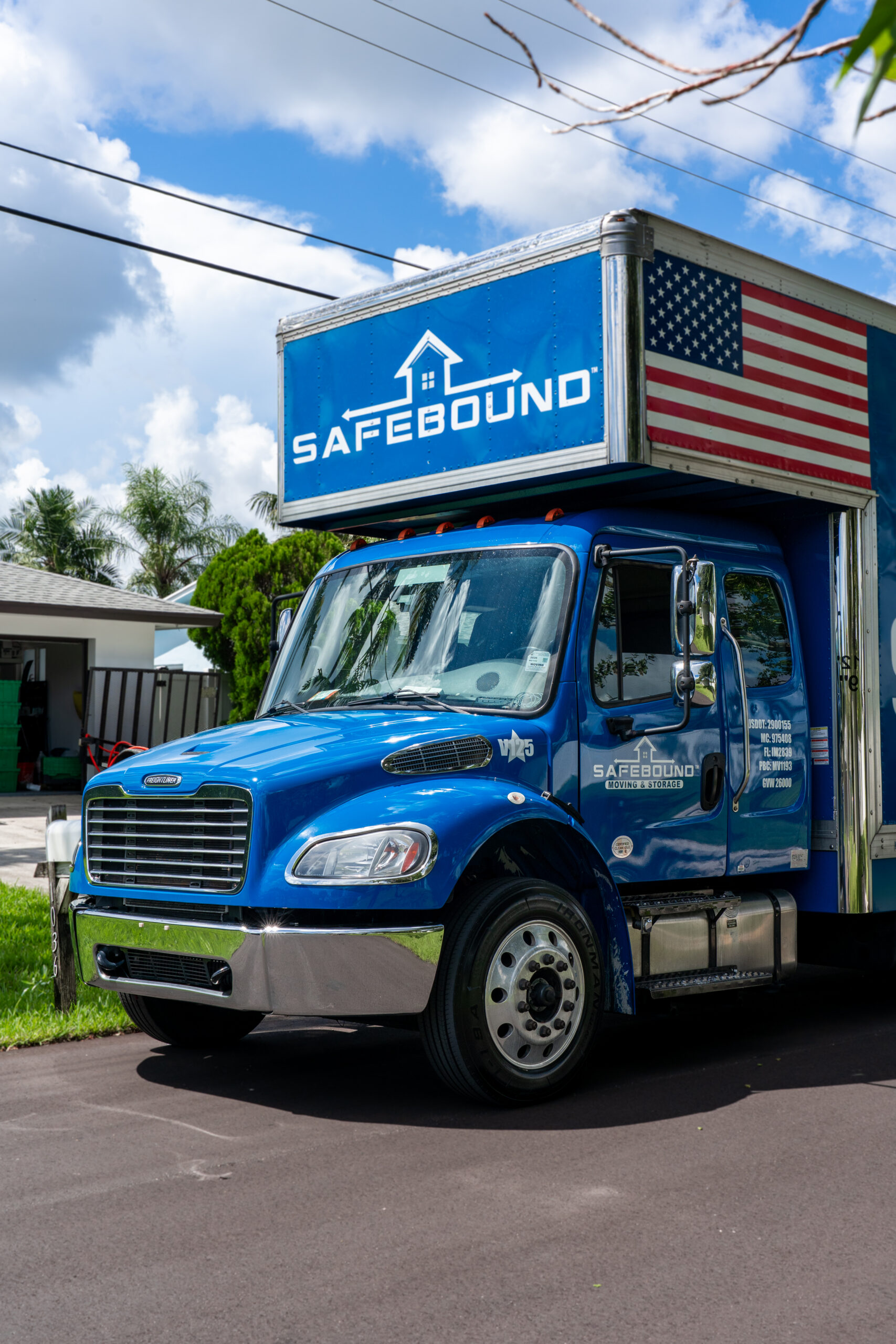
At Safebound Moving, we specialize in apartment moving across Florida. We handle COI paperwork, coordinate with building management, reserve elevators, protect common areas, and navigate tight spaces daily.
Our experience means we know what questions to ask buildings, what challenges to expect, and how to handle complications smoothly. We’ve moved everything from studio walk-ups to penthouse units.
Explore our full-service moving options designed specifically for building relocation challenges.
Your Relocation Checklist
4-6 weeks before:
- ☐ Review lease move-out requirements
- ☐ Contact building management about rules
- ☐ Get list of required paperwork
- ☐ Book moving company
- ☐ Reserve elevator
2-3 weeks before:
- ☐ Submit COI to building management
- ☐ Pay any required deposits
- ☐ Arrange parking permits if needed
- ☐ Notify neighbors
- ☐ Measure furniture and elevator/stairwell
1 week before:
- ☐ Confirm elevator reservation
- ☐ Confirm parking arrangements
- ☐ Pack non-essentials
- ☐ Arrange for building access on moving day
Moving day:
- ☐ Arrive early to check in with building
- ☐ Ensure elevator is available
- ☐ Have all access codes/keys ready
- ☐ Keep hallways clear when possible
- ☐ Do final walkthrough with management
Making Your Apartment Moving Smooth
Apartment moving requires more coordination than house moves, but proper planning makes all the difference. Understanding building requirements, elevator logistics, and neighbor considerations transforms potentially stressful apartment moving into a manageable process.
The key to successful apartment moving is starting early, communicating clearly with building management and movers, and following all building rules. When everyone knows what to expect during apartment moving, the day runs smoothly.
Ready to plan your relocation? Contact Safebound Moving today for a free consultation. Our team specializes in apartment moving and knows exactly how to navigate building requirements, elevator reservations, and high-rise logistics.
For more moving guidance, visit our blog with expert advice on packing your kitchen, moving day essentials, and downsizing before your move.
External Resources: