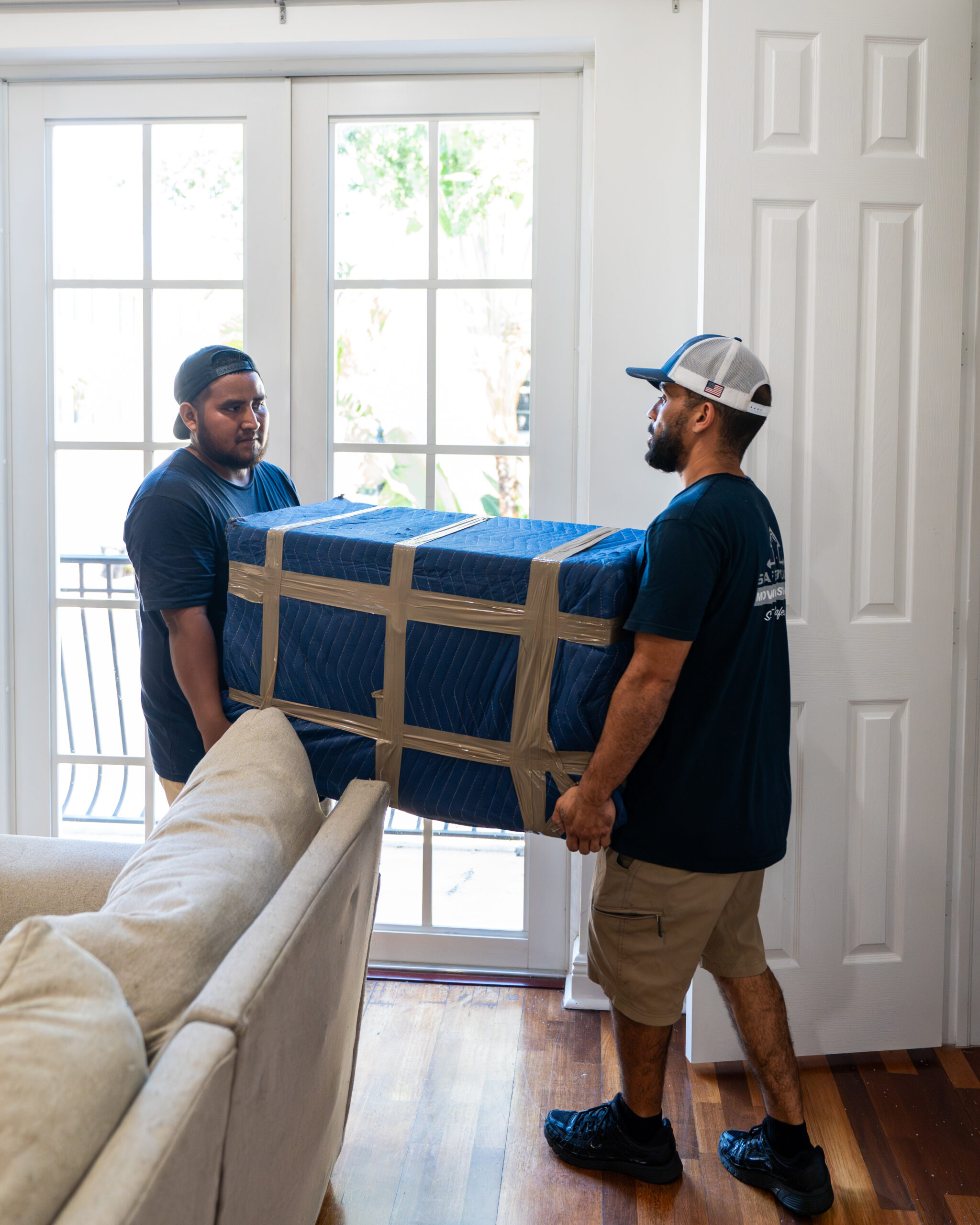
Staring at your oversized sectional and wondering how it’s going to fit through that doorway is a moment every person faces when relocating. Moving large furniture presents challenges that smaller items never do—tight corners, narrow doorways, steep stairs, and the very real risk of injury or damage. Understanding proper techniques makes the difference between a successful move and a trip to the emergency room.
Professional movers handle heavy items every single day. We’ve learned techniques that protect both the furniture and the people carrying it. This comprehensive guide teaches you how to move large furniture safely, when to attempt it yourself, and when professional help makes more sense.
Why Moving Large Furniture Requires Special Techniques
Moving large furniture isn’t just about brute strength. Physics, proper technique, and the right equipment matter more than muscle power. When you don’t know how to move large furniture correctly, you risk damaging walls, doorframes, floors, the furniture itself, and potentially injuring yourself.
Back injuries from improper lifting technique are incredibly common when moving large furniture. Herniated discs, muscle strains, and worse happen when people try to muscle heavy items without understanding proper body mechanics. Learning how to move large furniture safely protects your health and your belongings.
Essential Equipment for Moving Large Furniture
Before attempting to relocate heavy items, gather proper equipment. The right tools make the job dramatically easier and safer.
Equipment needed for moving large furniture:
Furniture sliders: These plastic or felt pads slip under furniture legs, allowing you to slide heavy pieces across floors instead of lifting them. They’re essential for relocating items across rooms.
Moving dolly: A wheeled platform rated for heavy loads transforms how you transport items. Dollies distribute weight and let wheels do the work instead of your back.
Furniture straps: Also called lifting straps or moving straps, these harnesses distribute weight across your stronger muscle groups, making the task more manageable.
Moving blankets: Thick, padded blankets protect furniture from scratches and damage during transport. They’re crucial when navigating through doorways and down stairs.
Plastic wrap or stretch wrap: This clingy plastic secures drawers, doors, and cushions, preventing them from opening during the move. It’s essential for safe transport.
Basic tools: Screwdrivers, Allen wrenches, and socket sets for disassembly are necessary when items don’t fit through doors intact.
Investing in proper equipment costs less than replacing damaged furniture or treating an injury.
Measuring Before Moving Large Furniture
Measure everything before attempting to move large furniture. This prevents getting stuck halfway through a doorway or discovering furniture won’t fit in the new space.
What to measure when moving large furniture:
Measure your furniture in all dimensions—height, width, and depth. Don’t forget to account for protruding elements like arms, legs, or decorative features.
Measure all doorways, hallways, and stairwells the furniture must pass through. Note the narrowest points—these determine whether passage through that route is possible.
Measure your new space to confirm furniture will fit. Successful relocation means knowing it works in the destination before you start.
Calculate diagonal dimensions. Sometimes tilting furniture diagonally creates enough clearance for tight spaces. Measure the diagonal measurement of your furniture and compare it to doorway dimensions.
Disassembling Before Moving Large Furniture
Many pieces need disassembly before you can successfully move large furniture through standard doorways.
Disassembly tips for moving large furniture:
Remove legs from sofas, tables, and beds whenever possible. This reduces height and sometimes width, making transport much easier.
Take doors off beds, armoires, and cabinets. Removing doors reduces both weight and width.
Separate sectional pieces. Sectionals designed to come apart should always be separated before moving.
Remove cushions from sofas and chairs. This reduces weight and protects cushions during transport.
Photograph furniture before disassembly. These photos help with reassembly later.
Label and bag all hardware immediately. Tape bags directly to the corresponding furniture piece to prevent losing parts.
Proper Lifting for Moving Large Furniture
Technique matters more than strength when moving large furniture. Proper body mechanics prevent injury.
Safe lifting techniques for moving large furniture:
Lift with your legs, not your back. Bend at the knees, keep your back straight, and use leg muscles to stand when lifting.
Hold items close to your body. The farther from your body you hold weight, the more strain on your back.
Avoid twisting while carrying heavy items. Turn your whole body by pivoting your feet instead of twisting your torso.
Take small steps. Shuffle your feet rather than taking long strides when navigating through tight spaces.
Communicate with your moving partner constantly. Use clear commands like “lift,” “lower,” “left,” and “right” when working as a team.
Take breaks frequently. Fatigue leads to mistakes and injuries during extended periods of heavy lifting.
Doorway Techniques for Moving Large Furniture
Doorways present the biggest challenge when moving large furniture. Most furniture damage and wall damage happens at doorways.
Techniques for moving large furniture through doorways:
Remove the door from its hinges. This adds 1-2 inches of clearance on each side, often making the difference in successful passage.
Try the furniture at an angle. Tilt furniture diagonally—this often creates enough clearance for doorways that seem too small.
Use the “hook” method for sofas. Tip the sofa onto its end in an L-shape as you guide it through the doorway when dealing with tall backs.
Protect doorframes with moving blankets. Wrap padding around doorframes before navigating through them to prevent damage.
Go slowly and carefully. Rushing causes damage when maneuvering through tight spaces. Take your time.
Stairway Safety for Moving Large Furniture
Stairs multiply the difficulty when moving large furniture. This is where most injuries occur.
Stairway techniques for moving large furniture:
The person at the bottom carries more weight when going downstairs. The stronger person should be at the bottom end.
Tilt furniture to match the stairway angle. This prevents the top of furniture from hitting the ceiling.
Use a dolly only if it’s specifically designed for stairs. Regular dollies can slip on stairs.
Secure furniture with straps when using a dolly. Items must be firmly attached during stairway transport.
Clear the stairway completely before starting. Remove rugs, decorations, and anything that could cause tripping.
Protecting Surfaces While Moving Large Furniture
Preventing damage to your home matters as much as protecting furniture when moving large furniture.
Protection strategies for moving large furniture:
Lay down cardboard or moving blankets on floors before starting. This protects hardwood, tile, and carpet from damage.
Use furniture sliders on all hard floors. They prevent scratches on hardwood and tile.
Cover sharp furniture corners with foam or bubble wrap when navigating through hallways. This prevents wall damage.
Clear the path completely before moving anything. Remove plants, decorations, and anything furniture could bump.
Special Considerations for Specific Furniture Types
Different furniture requires different approaches for successful relocation.
Sofas and sectionals: Remove legs and cushions first. Try the hook method through doorways. Consider professional help for curved sectionals.
Beds and mattresses: Disassemble bed frames completely. Use mattress bags to protect mattresses from dirt and damage.
Dressers and armoires: Empty all drawers completely before moving—full drawers add significant weight and can slide open. Remove drawers entirely for very heavy pieces.
Refrigerators: Empty and defrost before relocating. Never lay refrigerators flat—keep them upright during transport.
Pianos: Never attempt piano relocation without professional help. Piano moving requires specialized equipment and training.
When to Call Professionals for Moving Large Furniture
Sometimes DIY isn’t the right choice. Professional movers have experience, equipment, and insurance that protect you and your belongings.
Consider professional help when:
You’re dealing with extremely heavy items over 200 pounds. Relocating items this heavy safely requires specialized equipment and multiple people.
Stairs are involved, especially multiple flights. Professional movers know safe techniques for stairway transport.
Furniture is valuable or antique. Professionals have experience handling items that can’t be replaced.
You have physical limitations or health concerns. Don’t risk injury if you have back problems or other health issues.
Doorways and hallways are extremely tight. Professionals have seen every configuration and know tricks for navigating seemingly impossible spaces.
You need insurance coverage. Professional movers carry insurance that protects your furniture during transport.
At Safebound Moving, we specialize in moving large furniture safely. Our crews have the equipment, training, and experience to handle everything from standard sofas to grand pianos. We’ve successfully completed thousands of moves involving heavy item relocation through challenging spaces.
Explore our professional moving services designed for safe furniture relocation.
Common Mistakes When Moving Large Furniture
Avoid these errors that commonly occur when moving large furniture without proper knowledge.
Frequent mistakes in moving large furniture:
Underestimating weight and overestimating ability. Relocating heavy items is harder than it looks. Many people hurt themselves by attempting too much.
Failing to measure before starting. Getting stuck halfway through a doorway is frustrating and potentially damaging.
Skipping disassembly when it’s needed. Taking furniture apart makes the job significantly easier and safer.
Using improper lifting technique. Back injuries can cause long-term problems.
Rushing the process. Slow and careful wins when handling heavy items. Rushing causes damage and injuries.
Not protecting furniture and home. Scratches and dents are preventable with proper padding.
Attempting to move pianos or extremely heavy items solo. Some furniture requires professional help for safe relocation.
Florida Considerations for Moving Large Furniture
Florida’s climate affects moving large furniture in unique ways.
Florida considerations for moving large furniture:
Heat and humidity make heavy lifting even more exhausting in Florida. Start early in the morning to avoid peak heat.
Hydration is critical in Florida’s climate. Drink water constantly, not just when you’re thirsty.
Leather and wood furniture can be affected by humidity. Use climate-controlled trucks for valuable pieces.
Outdoor elements matter in Florida. Afternoon thunderstorms are common—plan around weather.
Learn more about moving to Florida and regional considerations for furniture relocation.
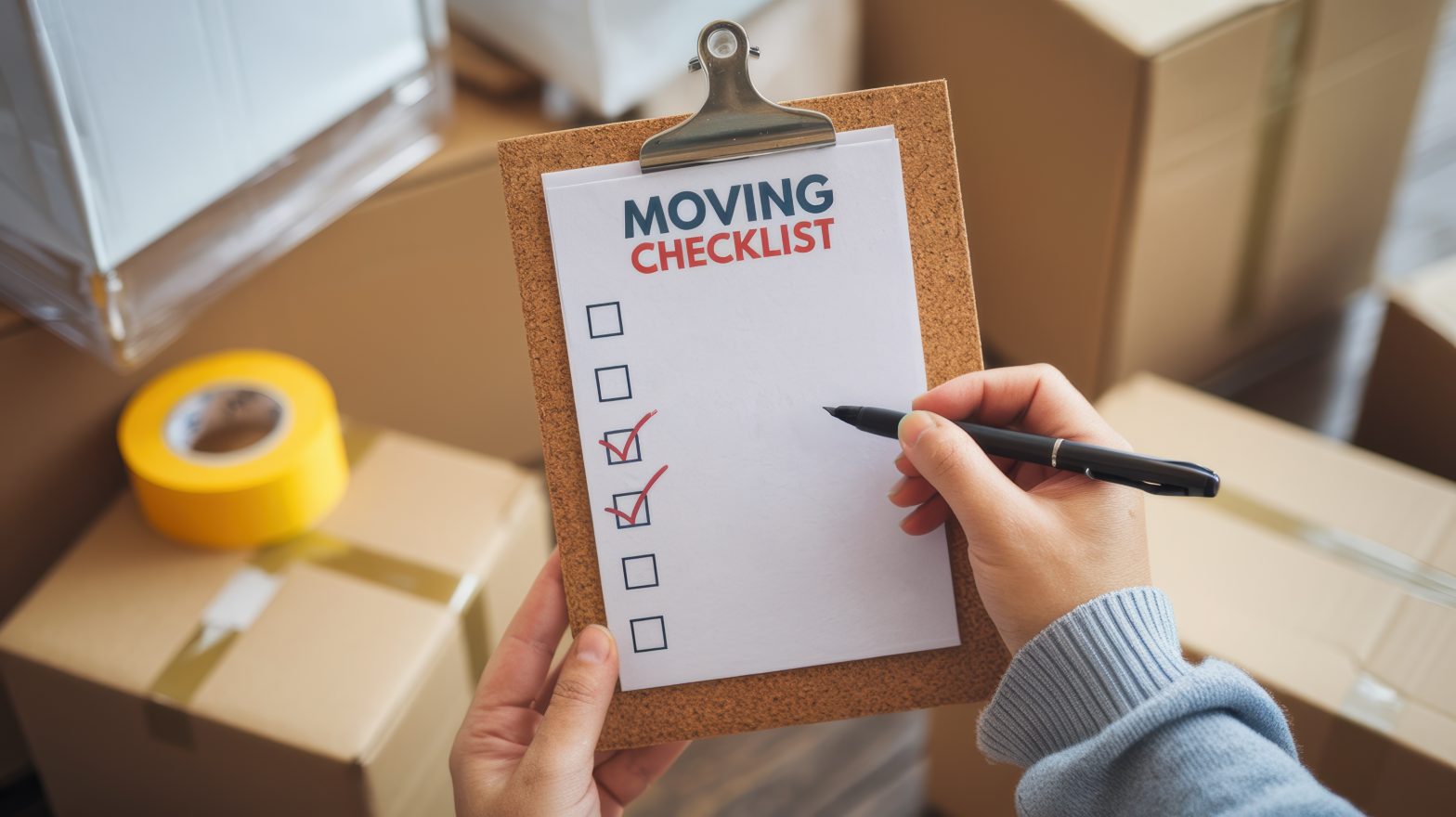
Your Moving Large Furniture Checklist
One week before moving large furniture:
- ☐ Measure all furniture and doorways
- ☐ Purchase or rent necessary equipment
- ☐ Recruit help for the job
- ☐ Gather disassembly tools
Day before:
- ☐ Empty all furniture drawers
- ☐ Remove cushions and loose items
- ☐ Disassemble what you can
- ☐ Gather moving blankets and padding
Moving day:
- ☐ Clear all pathways completely
- ☐ Protect floors and doorframes
- ☐ Use proper lifting techniques
- ☐ Move slowly and carefully
- ☐ Take breaks as needed
Making Furniture Relocation Safer and Easier
Successfully relocating heavy items requires planning, proper equipment, correct technique, and knowing your limits. While DIY is possible with preparation, professional movers offer experience, equipment, and insurance that make the process safer and often faster.
The key to moving large furniture successfully is respecting the challenge. Heavy items combined with tight spaces and stairs create real risks. Proper preparation and technique minimize those risks.
Ready for professional help? Contact Safebound Moving today for a free consultation. Our experienced crews handle moving large furniture safely every day, with the equipment and expertise to protect both your belongings and your home.
For more moving guidance, visit our blog with expert tips on packing your kitchen, apartment moving, and preparing for moving day.
External Resources: