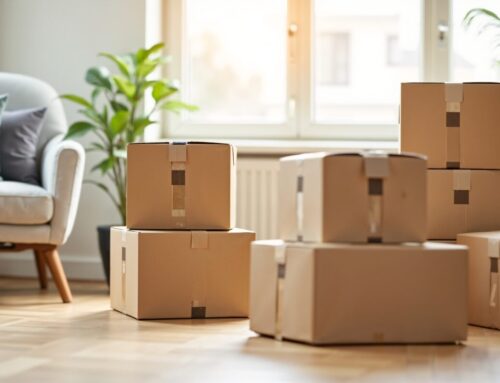
The moving truck just left, you’re surrounded by boxes, and you’re wondering what to do after moving into this new space. That first week after relocating can feel overwhelming—boxes everywhere, unfamiliar surroundings, and a million tasks competing for your attention. Knowing the right priorities helps you settle in faster and feel at home sooner.
We’ve helped thousands of families through relocations, and we’ve learned what makes the biggest difference during those critical first days. This guide walks you through your first week in your new home, prioritizing tasks so you can tackle them systematically instead of feeling paralyzed by everything at once.
Why Having a Plan for What to Do After Moving Matters
Without a clear plan for what to do after moving, people often waste time bouncing between tasks without completing anything. You might unpack one box in the kitchen, start organizing the bedroom, then get distracted by setting up the living room—ending the day exhausted with nothing fully functional.
Understanding the right order for what to do after moving creates livable spaces faster. When you know the sequence, you transform chaos into a functioning home within days instead of weeks.
Day One: Immediate Priorities for What to Do After Moving
Your first day of what to do after moving sets the tone for your entire settling-in process.
First day priorities for what to do after moving:
Inspect your new home thoroughly. Walk through every room checking for damage, missing items, or issues needing immediate attention. Document problems with photos—this matters for security deposits or builder warranties.
Locate and test utilities. Find the main water shutoff, electrical panel, and gas shutoff. Test light switches, outlets, and faucets. Knowing where these are matters when emergencies happen.
Clean before unpacking. Even “clean” homes need attention after movers have tracked through. Wipe down kitchen counters and bathroom surfaces before placing items on them.
Set up beds first. Everyone needs to sleep. Making beds should be your first unpacking priority. You’ll be exhausted—having actual beds ready matters.
Unpack bathroom essentials. Set up toiletries, towels, toilet paper, and soap. A functional bathroom is non-negotiable on day one.
Locate your “first night” box. You packed essentials separately, right? Find that box with phone chargers, medications, and basics you need immediately.
Check doors and windows. Verify all locks work and windows open and close properly. Security matters in unfamiliar surroundings.
Day Two: Essential Systems in What to Do After Moving
Day two of what to do after moving focuses on getting critical systems operational.
Set up essential utilities:
Internet and cable/streaming. Modern life requires connectivity. Schedule installation if it wasn’t done before your arrival.
Transfer or set up utilities. Confirm electricity, gas, and water are in your name and functioning. This should have been arranged beforehand, but verify everything works.
Test heating and cooling systems. Run both to confirm they work before you desperately need them. HVAC issues are easier to address early.
Change locks or rekey. You don’t know who has keys to your new home. Rekeying or changing locks provides peace of mind.
Program garage door openers. Set up remotes and codes for garage access.
Update address officially as part of what to do after moving:
File change of address with USPS online or at the post office. This critical step ensures mail reaches you.
Update your address with banks, credit cards, insurance companies, and employers. Systematic address updating prevents missed bills and important mail.
Notify the DMV and update your driver’s license within your state’s required timeframe. This legal requirement varies by state.
Update voter registration at your new address. Don’t skip this civic responsibility.
Day Three: Kitchen Setup in What to Do After Moving
Day three of what to do after moving makes your kitchen functional so you can stop eating takeout.
Kitchen priorities for what to do after moving:
Unpack dishes, glasses, and silverware first. You need these daily, making them priorities.
Set up your coffee maker or tea kettle. Morning routines matter when establishing normalcy.
Organize refrigerator and pantry basics. A grocery run becomes necessary, but having storage ready helps.
Unpack pots, pans, and cooking utensils. Even simple meals require basic tools.
Set up your dish system—where dirty dishes go, where clean ones are stored. Establishing systems early prevents chaos.
Stock basic groceries and supplies. A functional kitchen needs food.
Day Four: Personal Spaces in What to Do After Moving
Day four of what to do after moving focuses on personal spaces.
Bedroom setup when deciding what to do after moving:
Unpack and organize clothing. Empty suitcases and boxes so you can find what you need. Clothing organization ranks high for daily function.
Set up closets and dressers with a system. Decide where things go now rather than randomly placing items.
Hang curtains or blinds if needed. Privacy and light control matter.
Set up bedside essentials like lamps, alarm clocks, and phone charging stations. Functional bedrooms improve quality of life.
Unpack children’s rooms early if you have kids. Familiar surroundings help them adjust.
Day Five: Living Spaces in What to Do After Moving
Day five of what to do after moving creates comfortable shared spaces.
Living area priorities in what to do after moving:
Set up main seating in the living room. Even if you’re not fully decorated, having a comfortable spot to relax matters.
Connect and set up TV and entertainment systems. Downtime helps you recharge during the settling process.
Unpack and display items that make the space feel like home—photos, artwork, favorite books. Personal touches transform houses into homes.
Set up your home office if you work from home. Functional workspace enables productivity.
Create a mail and key station near the entrance. Establishing organization systems prevents daily frustration.
Days Six and Seven: Final Steps in What to Do After Moving
The final weekend of your first week covers remaining essentials of what to do after moving.
Remaining tasks for what to do after moving:
Register pets with local authorities. Many areas require pet licensing. Update tags with your new address and phone number.
Find essential services nearby. Locate grocery stores, pharmacies, gas stations, urgent care, and veterinarians. Knowing where these are provides peace of mind.
Meet neighbors. Introduce yourself to people next door and nearby. Building community connections matters for long-term happiness.
Explore your neighborhood. Walk or drive around to familiarize yourself with your new area. Understanding your surroundings builds comfort.
Set up trash and recycling. Learn your pickup schedule and where bins go. This practical step prevents missed pickups.
Childproof if necessary. Install safety gates, outlet covers, and cabinet locks if you have young children. Safety comes first.
Beyond the First Week of What to Do After Moving
Some tasks in what to do after moving extend beyond the first week but matter for settling in.
Ongoing priorities in what to do after moving:
Continue unpacking systematically, room by room. Don’t let half-empty boxes linger for months.
Update professional contacts with your new address. Inform doctors, dentists, lawyers, and accountants.
Transfer or establish new medical care. Find new doctors and transfer medical records if you’ve moved significant distances. Healthcare setup takes priority.
Register children for school or daycare. If your relocation coincides with the school year, prioritize this.
Update insurance policies with your new address. Home, auto, and health insurance need address updates.
Join community groups or find local activities. Getting involved helps you feel established.
Unpacking Strategy for What to Do After Moving
Systematic unpacking makes settling in less overwhelming.
Effective unpacking approach for what to do after moving:
Unpack one room completely before starting another. Finishing spaces creates satisfaction and function.
Unpack in order of priority—kitchen, bathrooms, bedrooms, then living areas. This sequence works for most families.
Break down boxes as you empty them. Don’t let empty boxes pile up creating more clutter.
Donate or discard items as you unpack. If something didn’t make sense before relocating, it probably doesn’t make sense now.
Set realistic daily goals. Unpacking everything in two days isn’t realistic, so pace yourself.
Common Mistakes in What to Do After Moving
Learning what NOT to do after moving helps you avoid frustration.
Common mistakes in what to do after moving:
Trying to unpack everything immediately. Exhaustion leads to poor decisions. Pace yourself.
Not establishing routines quickly. Kids and pets need structure. Recreate familiar routines.
Ignoring self-care during the chaos. Sleep, eat properly, and take breaks.
Leaving boxes unopened for months. Unpack systematically instead of living among boxes indefinitely.
Not asking for help when you need it. Friends, family, or professional organizers can assist.
Florida-Specific Considerations
If you’ve relocated to Florida, some specific items belong on your checklist.
Florida-specific priorities:
Register vehicles and get Florida plates within 10 days. This legal requirement is crucial.
Get a Florida driver’s license within 30 days of establishing residency. DMV tasks rank high on your to-do list.
Understand hurricane preparedness and create an emergency plan. Florida’s weather requires preparation.
Learn your air conditioning system and change filters. Florida’s climate makes AC essential.
Find pest control services. Florida’s climate means pest control is often necessary.
Learn more about moving to Florida and state-specific considerations.
Getting Professional Help
Sometimes professional assistance makes sense for settling in.
At Safebound Moving, we don’t just help with the physical relocation. We offer unpacking services, furniture placement guidance, and advice on settling in quickly.
Our experience with thousands of relocations means we know what makes the biggest difference. Whether you need help with heavy lifting, unpacking services, or just expert advice, we’re here to support you beyond the truck leaving.
Explore our full range of services including post-move support.
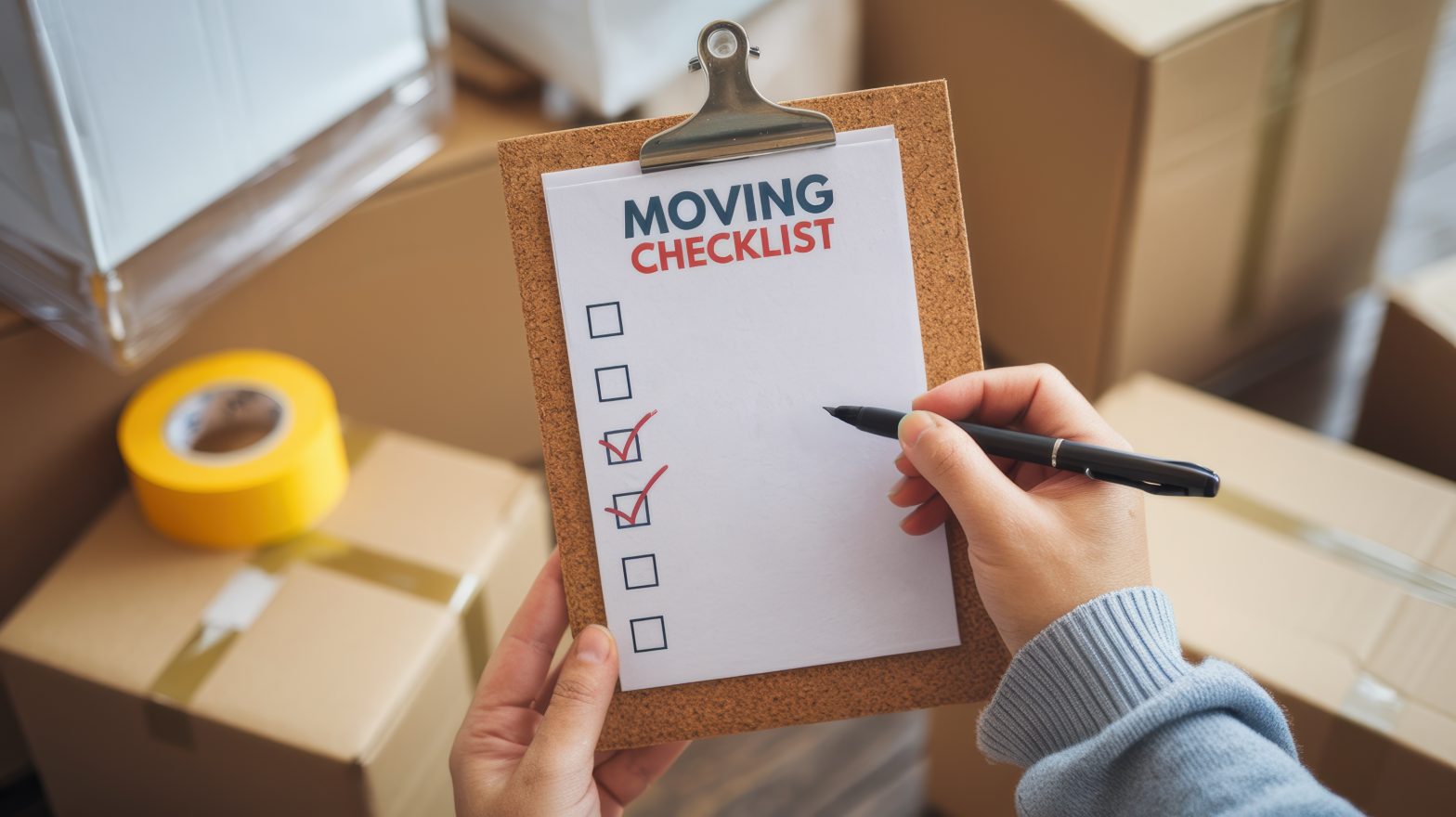
Your First Week Checklist
Day 1:
- ☐ Inspect home thoroughly
- ☐ Test all utilities
- ☐ Set up beds
- ☐ Unpack bathroom essentials
- ☐ Check locks and security
Day 2:
- ☐ Set up internet/cable
- ☐ Verify all utilities working
- ☐ Change/rekey locks
- ☐ File address change with USPS
- ☐ Update address with banks/insurance
Day 3:
- ☐ Unpack kitchen essentials
- ☐ Set up coffee/tea
- ☐ Organize refrigerator
- ☐ Stock groceries
Day 4:
- ☐ Organize bedrooms and closets
- ☐ Unpack clothing
- ☐ Set up children’s rooms
- ☐ Install window treatments
Day 5:
- ☐ Set up living spaces
- ☐ Connect entertainment systems
- ☐ Display personal items
- ☐ Create mail/key station
Days 6-7:
- ☐ Register pets
- ☐ Locate essential services
- ☐ Meet neighbors
- ☐ Explore neighborhood
- ☐ Set up trash/recycling
Making Your New House Feel Like Home
Understanding what to do after moving transforms a house full of boxes into a functioning home. The key is systematic progress—prioritizing essential systems first, then building comfort and familiarity.
Remember that settling in takes time. Don’t pressure yourself to have everything perfect immediately. Focus on what matters most: creating functional spaces, establishing routines, and beginning to build connections in your new community.
Need support settling in? Contact Safebound Moving for unpacking services, furniture arrangement help, or guidance on making your new house feel like home. We’re here to help beyond the truck leaving.
For more helpful advice, visit our blog with tips on moving day essentials, packing your kitchen, and apartment moving.
External Resources: