
If you’re wondering how to move a piano, you need to understand this isn’t like moving other furniture—it’s one of the most complex and dangerous moving tasks you’ll encounter. These precision instruments weigh between 300 and 1,400 pounds, contain thousands of delicate components, and can cause serious injury or property damage when handled improperly.
As professional piano movers with years of experience, we’ve seen countless pianos damaged by well-meaning DIY attempts. This guide explains what’s truly involved in moving a piano safely and why professional expertise isn’t just recommended—it’s essential for protecting your valuable instrument and your home.
Why Learning How to Move a Piano Requires Professional Expertise
Understanding how to move a piano safely starts with recognizing why these instruments are uniquely challenging. The question of how to move a piano comes up frequently, but the answer isn’t as simple as renting a truck. According to the Piano Technicians Guild, improper moving techniques cause thousands of dollars in piano damage every year. Here’s what makes professional piano moving so critical:
The weight alone is deceptive. When you move a piano, its center of gravity shifts unpredictably. The cast iron harp inside an upright piano weighs over 200 pounds and sits high in the cabinet, making the instrument extremely top-heavy.
Grand pianos have most weight concentrated in the front half, creating dangerous imbalance. Without professional training in weight distribution and balance points, even strong individuals struggle to control a piano safely.
Internal mechanisms are incredibly fragile. Inside every piano are over 12,000 parts working in precise harmony—strings under 200 pounds of tension each, delicate hammers, intricate action mechanisms, and a soundboard that can crack from impact.
One bump against a doorframe, one moment of lost control on stairs, or one drop of just a few inches can cause internal damage costing thousands to repair.
The exterior damage risk is substantial. Piano finishes—whether high-gloss lacquer, satin polyester, or vintage shellac—scratch and dent easily. Professional movers use specialized padding techniques and know exactly where pianos can and cannot be gripped.
We’ve restored pianos after DIY moves where well-meaning friends left permanent fingerprints in soft finishes or gouged cabinets trying to navigate tight corners.
Property damage is nearly inevitable without proper equipment. When attempting to move a piano without professional help, casters aren’t designed for moving—they’ll gouge hardwood, tear carpet, and crack tile. The weight concentrated on a small footprint can damage subfloors, punch through weak spots, and leave permanent marks. We use specialized dollies, floor protection, and proven techniques to protect your home as carefully as we protect your piano.
How to Move a Piano: Understanding Different Piano Types
At Safebound Moving, we’ve successfully moved every type of piano imaginable. Knowing how to move a piano properly starts with understanding the unique challenges each type presents:
How to Move a Piano: Upright Pianos
If you’re researching how to move a piano that’s an upright model, understand that uprights (300-800 pounds) might seem manageable, but they’re actually among the trickiest instruments to move safely. The high center of gravity means they want to tip forward. The back is fragile and cannot bear weight.
The legs—often the first thing people grab—will snap under stress. Our professional movers know the exact balance points, use proper lifting harnesses, and employ techniques developed over decades to keep uprights stable and controlled throughout the entire move.
How to Move a Piano: Grand Pianos
When people ask how to move a piano that’s a grand model, the answer is more complex. Grand pianos cannot be moved intact—attempting this will destroy the legs and potentially the piano itself.
Knowing how to move a piano of this type requires professional moving with complete leg removal, pedal lyre disassembly, and securing the piano on a specialized piano board. Each leg attaches with bolts that must be removed in a specific sequence while the piano is properly supported. The lid must be secured or removed.
Once on the board, the piano must be positioned at a precise angle, strapped securely, and wrapped with professional-grade protection. This isn’t a YouTube tutorial project—it’s skilled work requiring experience and proper tools.
Moving a Piano: Antique and High-Value Instruments
Moving a piano that’s antique, such as vintage Steinways or Mason & Hamlins, requires extra precautions. These instruments may have finish types that need special padding, structural weaknesses from age, or monetary value exceeding $100,000. As professional movers, we assess each instrument individually, use climate-controlled transport when necessary, and carry specialized insurance coverage. These aren’t instruments to practice on—one mistake is irreversible.
What Professional Piano Moving Actually Involves
When you hire Safebound Moving for piano relocation, here’s what our professional process includes:
Pre-Move Assessment and Planning
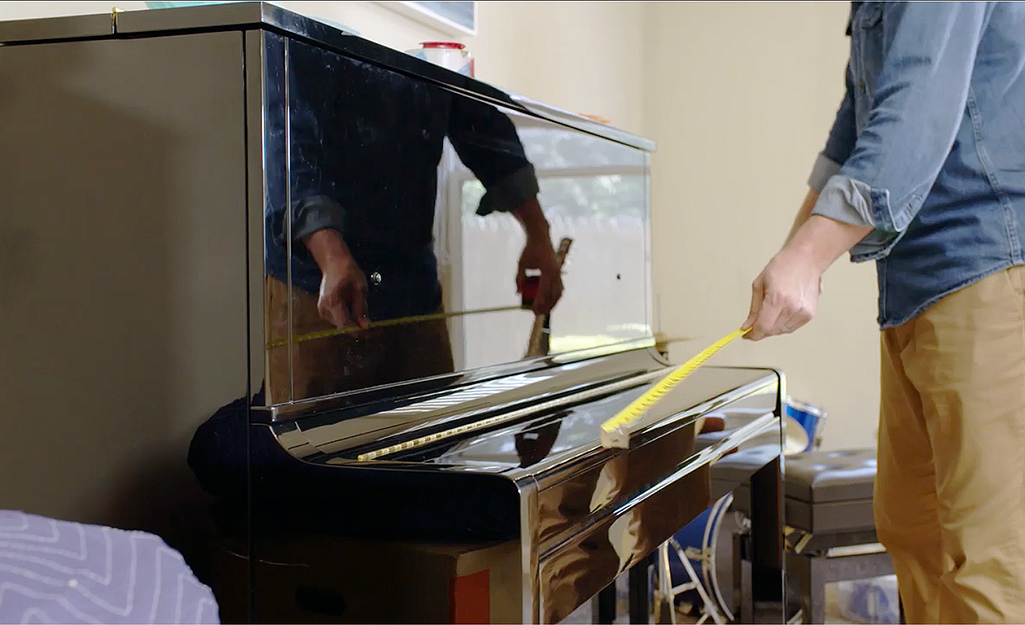
Our team starts with a thorough on-site assessment or virtual walkthrough. We measure all pathways, doorways, hallways, and staircases. We identify potential obstacles, tight turns, and challenging areas.
We determine the specific equipment needed—standard piano dollies, grand piano boards, stair-climbing equipment, or crane service for extreme situations. This planning phase is critical and something DIY movers typically skip, leading to dangerous situations when they discover the piano doesn’t fit through doorways or stairwells.
Specialized Equipment and Protection
Understanding how to move a piano professionally requires specialized equipment that costs thousands of dollars and requires training to use safely. We use professional piano dollies rated for extreme weight, piano boards specifically designed for grands, specialized straps and harnesses, heavy-duty ramps, floor protection systems, and professional-grade moving blankets designed for piano finishes. This equipment isn’t available at rental shops, and improvising with furniture dollies or regular blankets results in damage.
Trained Team with Proven Techniques
Our piano moving teams undergo extensive training in how to move a piano safely. They learn proper lifting mechanics to prevent injury, understand piano structure and weak points, know how to distribute weight across the team, master communication protocols for coordinated movement, and practice emergency procedures for maintaining control. According to the National Safety Council, most moving-related injuries occur when people attempt to lift objects beyond their capability without proper technique. Our professionals eliminate this risk.
Navigating Stairs and Difficult Spaces
Stairs represent the most dangerous part of any piano move. Our team uses specialized stair-climbing techniques, maintains multiple points of control, employs additional team members for stairs, and uses backup safety systems.
For grand pianos on stairs, we sometimes employ hoist systems or cranes rather than risk the stairwell. We’ve seen DIY movers lose control of pianos on stairs—the results are catastrophic for both the piano and the property, not to mention the serious injury risk.
Climate-Controlled Transport
For long-distance moves, pianos require climate-controlled trucks. Extreme temperature fluctuations damage soundboards, cause string detuning, and can crack finishes. Our professional moving trucks maintain stable temperature and humidity, protecting your instrument throughout transport. Your friend’s pickup truck or rented moving van doesn’t offer this protection.
The True Cost of DIY Piano Moving
Many people wonder how to move a piano themselves to save money, but this decision often becomes extremely expensive:
Repair Costs From Piano Damage
Even minor piano damage is expensive to repair. When you don’t know how to move a piano properly, a cracked soundboard costs $3,000-$7,000 to replace. Broken legs run $500-$1,500 each. Damaged action mechanisms can cost $2,000-$5,000 to repair. Finish restoration starts at $1,000 for minor damage. In our experience, DIY piano moves result in damage about 60% of the time—damage that costs far more than professional moving fees.
Property Damage When Moving a Piano
We’ve been called to homes after DIY piano moves caused gouged hardwood floors ($2,000-$5,000 to repair), damaged walls and doorframes ($500-$2,000), broken stair railings ($800-$2,500), and cracked tiles ($1,000-$3,000). Professional movers carry insurance for these situations—your homeowner’s policy may not cover damage you cause yourself.
Medical Costs and Lost Work
Back injuries, hernias, crushed fingers, and broken bones are common when people attempt to move a piano without professional help. Emergency room visits, ongoing medical treatment, physical therapy, and lost work time add up quickly. Some injuries result in permanent disability. Professional piano movers eliminate this risk entirely—we handle the physical danger so you don’t have to.
Equipment Rental and Complications
Even if you rent a dolly and moving blankets, you’ll still need proper straps, floor protection, and enough people. Coordinating schedules with multiple friends, renting a truck, buying insurance, and taking time off work adds hidden costs. When things go wrong—and they often do—you’re dealing with delays, damage, and stress. Professional movers provide everything needed and complete the move efficiently.
Professional Piano Moving Costs: A Smart Investment
Professional piano moving is an investment in protecting your instrument and your peace of mind. Here’s what to expect when you hire experts to move a piano:
- Local upright piano move: $200-$500 depending on access and distance
- Local grand piano move: $400-$900 including disassembly and reassembly
- Long-distance upright: $500-$1,500 with climate-controlled transport
- Long-distance grand: $1,000-$3,000+ depending on size and distance
Additional services like stairs ($50-$150 per flight), crane service for extreme access challenges, storage with climate control, and post-move tuning coordination are available. These prices include full insurance coverage, professional equipment, trained teams, and guaranteed protection—value you simply cannot replicate with DIY moving.
When selecting piano movers, verify they have specific piano moving experience (not just general moving), proper licensing and insurance, positive references from piano owners, and specialized equipment. The American Moving & Storage Association provides resources for finding qualified professional movers in your area.
What Happens During a Professional Piano Move
When you schedule piano moving with Safebound Moving, here’s our proven process for how to move a piano safely:
Initial Consultation and Quote
We discuss your piano type, move distance, and any special circumstances. We review access at both locations—doorways, stairs, elevators, and pathways. We provide a detailed written quote with no hidden fees. This transparency ensures you know exactly what to expect.
Pre-Move Preparation
Our team arrives with all necessary equipment and protection materials. We conduct a final walkthrough to confirm the plan. We protect flooring along the entire pathway. We carefully wrap and secure your piano with professional-grade materials. For grands, we methodically remove legs and secure all components.
The Move Itself
Our trained team uses coordinated communication and proven techniques to move your piano safely. We navigate obstacles with precision, maintain complete control at all times, and protect both the piano and your property. For challenging situations like tight staircases or apartment buildings, we employ specialized equipment and additional team members as needed.
Placement and Setup
At your new location, we carefully position the piano exactly where you want it. For grands, we reassemble legs and pedal lyre with precision. We remove all protection materials and clean up completely. We provide guidance on post-move piano care and tuning recommendations.
Insurance and Guarantee
All our piano moves include comprehensive insurance coverage. If any damage occurs (extremely rare with professional movers), you’re fully protected. We stand behind our work with a satisfaction guarantee—your piano and your home will be treated with the utmost care and respect.
Post-Move Piano Care
After your piano arrives safely at its new location, proper care ensures it stays in excellent condition:
- Allow acclimation time: Pianos need 2-4 weeks to adjust to new temperature and humidity levels before tuning
- Schedule professional tuning: Even perfectly moved pianos require tuning after relocation—the change in environment affects string tension
- Choose the optimal location: Keep pianos away from exterior walls, heating/cooling vents, direct sunlight, and high-traffic areas
- Maintain proper humidity: Ideal range is 40-50% relative humidity—consider a room humidifier or dehumidifier
- Regular maintenance: Schedule annual tuning and periodic regulation to keep your piano performing at its best
For more comprehensive guidance on settling into your new home, including unpacking priorities and setup recommendations, check our complete post-move checklist.
Why Choose Safebound Moving for Piano Relocation
At Safebound Moving, piano moving isn’t just another service we offer—it’s a specialty we’ve perfected through years of experience and dedicated training. Here’s what sets us apart:
- Specialized training and expertise: Our teams undergo rigorous piano-specific training, not just general moving instruction
- Professional-grade equipment: We own and maintain specialized piano moving tools designed specifically for safe instrument transport
- Comprehensive insurance: Full coverage protects your valuable instrument throughout the entire moving process
- Proven track record: Hundreds of successful piano moves with consistent five-star reviews from satisfied customers
- Complete moving services: We handle your entire relocation, from packing fragile items to final placement
- Transparent pricing: Clear quotes with no hidden fees or surprise charges
Protect Your Investment: Trust the Professionals
Your piano represents a significant financial and often emotional investment. Whether it’s a family heirloom, a professional performance instrument, or a cherished part of your home, it deserves the highest level of care during relocation. While many people search for how to move a piano themselves to save money, the reality is that learning how to move a piano safely requires years of training and specialized equipment. The risks—damaged instruments, injured helpers, property destruction—far outweigh any potential savings.
Professional piano movers like Safebound Moving bring expertise, equipment, insurance, and peace of mind that simply cannot be replicated by well-meaning amateurs. We’ve dedicated our careers to perfecting the art and science of piano relocation. We understand the mechanics, the risks, and the techniques required to move your piano safely every single time. When you’re planning your move timeline, remember to schedule piano moving well in advance, as specialized services often book quickly.
Don’t risk your valuable piano, your safety, or your property trying to figure out how to move a piano on your own. Contact Safebound Moving today for a free, no-obligation quote on professional piano moving services. Our experienced team is ready to handle every aspect of your piano relocation with the skill, care, and professionalism your instrument deserves. Whether you’re moving across town or across the country, we’ll ensure your piano arrives safely, securely, and ready to make beautiful music in your new home. Call us now and discover why homeowners throughout the region trust Safebound Moving for their most precious and challenging moving needs.