Whether you’re planning a cross-country relocation or a local apartment move, choosing the right moving boxes can make or break your moving experience. From protecting your fragile items to maximizing space in the moving truck, the boxes you select play a crucial role in a successful move. This comprehensive guide will help you understand moving box types, determine how many you need, and discover where to find quality boxes without breaking the bank.
Understanding Different Types of Moving Boxes
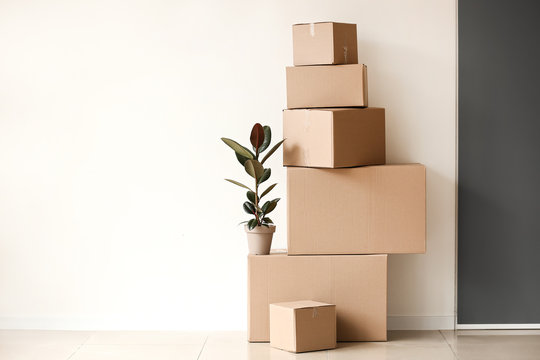
Not all moving boxes are created equal. Using the right box for each item ensures your belongings arrive safely at your new home. According to the American Moving & Storage Association, here are the most common types of packing boxes you’ll need for your move:
Small Moving Boxes (1.5 Cubic Feet)
Small boxes are perfect for heavy items like books, canned goods, hand tools, and collectibles. These boxes typically measure 16″ x 12″ x 12″ and can hold 30-40 pounds. Because they’re compact, they prevent overpacking, which can lead to box breakage or back injuries during the move.
Medium Moving Boxes (3 Cubic Feet)
The workhorses of any move, medium boxes measure approximately 18″ x 18″ x 16″ and handle most household items. Use these boxes for moving kitchen items, toys, small appliances, and decorative pieces. They’re versatile enough for both light and moderately heavy items, making them the most commonly used box size.
Large Moving Boxes (4.5 Cubic Feet)
Large boxes, typically 24″ x 18″ x 24″, are ideal for bulky but lightweight items like comforters, pillows, lampshades, and stuffed animals. Avoid packing heavy items in large boxes, as they become difficult to carry and more prone to breaking.
Specialty Moving Boxes
Certain items require specialized boxes for proper protection:
- Wardrobe boxes: Include a hanging bar for clothes, eliminating the need to fold garments
- Dish pack boxes: Extra-thick cardboard with dividers for fragile dishes and glassware
- Mirror and picture boxes: Adjustable flat boxes for artwork and mirrors
- TV and electronics boxes: Fitted boxes with foam inserts for flat-screens
- Mattress boxes: Protect mattresses from dirt, moisture, and bed bugs during transport
How Many Moving Boxes Do You Actually Need?
One of the most common moving mistakes is underestimating the number of boxes required. The amount you need depends on your home size, how much you own, and whether you’re downsizing before the move. Here’s a general guideline:
- Studio apartment: 20-30 boxes
- 1-bedroom apartment: 30-40 boxes
- 2-bedroom home: 40-60 boxes
- 3-bedroom home: 60-80 boxes
- 4+ bedroom home: 80-120 boxes
Pro tip: Always purchase 10-20% more boxes than you think you’ll need. Running out of boxes mid-pack is frustrating and can delay your move. Extra boxes can be returned to many retailers or saved for future storage needs.
Where to Get Moving Boxes: Free vs. Purchased Options
Moving boxes can be a significant expense, but savvy movers know where to look for quality boxes at little to no cost. Here are your best options for sourcing packing boxes:
Free Moving Boxes
- Grocery stores and liquor stores: Visit early morning when stock arrives. Liquor boxes are especially sturdy with built-in dividers perfect for glassware
- Bookstores: Small, reinforced boxes ideal for heavy books
- Office supply stores: Paper boxes are uniform and easy to stack
- Freecycle and Buy Nothing groups: Facebook community groups where people give away used boxes
- Craigslist and Facebook Marketplace: Search “free moving boxes” in your area
- Ask friends who recently moved: Most people are happy to pass along boxes they no longer need
Warning: Inspect free boxes carefully for pest damage, moisture, or weakness. Never use boxes that smell or show signs of previous water damage, as they may compromise the safety of your belongings.
Where to Buy Moving Boxes
If you prefer new boxes or need specialty sizes, home improvement stores and office supply retailers offer comprehensive selections. The Federal Motor Carrier Safety Administration recommends using sturdy, new boxes for valuable items to ensure maximum protection during transit.
- Home improvement stores: Bulk box bundles at discounted rates
- Office supply stores: Staples and Office Depot often run moving season sales
- Online retailers: Convenient delivery of box kits with packing supplies
- Big-box retailers: Affordable basic boxes in various sizes
Essential Packing Supplies Beyond Boxes
Moving boxes are just the foundation. Following professional packing tips, complete your packing kit with these essential supplies:
- Packing tape: Heavy-duty 2-inch tape; budget 3-6 rolls per room
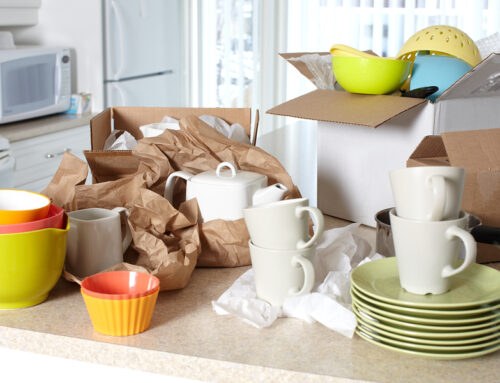
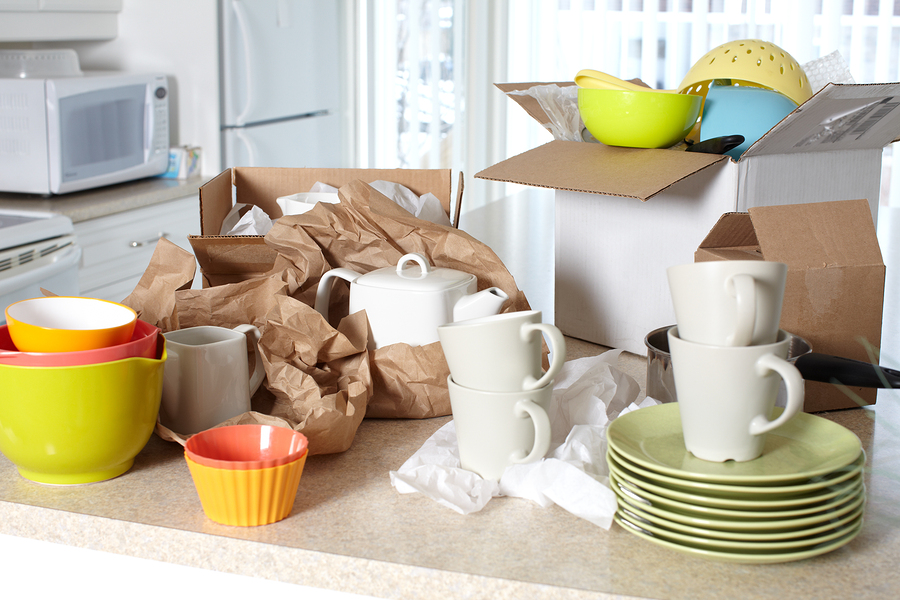
- Bubble wrap: For fragile items, dishes, and electronics
- Packing paper: Newsprint works but may leave ink residue; use white paper for dishes
- Markers: Label boxes by room and contents for easy unpacking
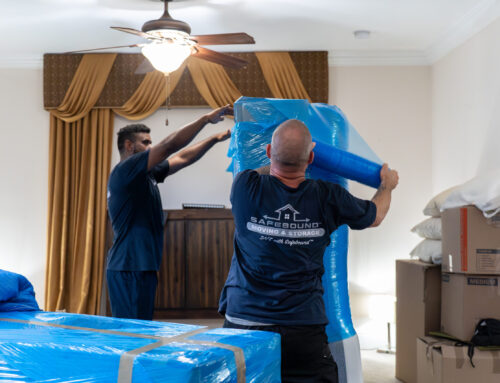
- Furniture pads: Protect wood furniture from scratches when moving large furniture
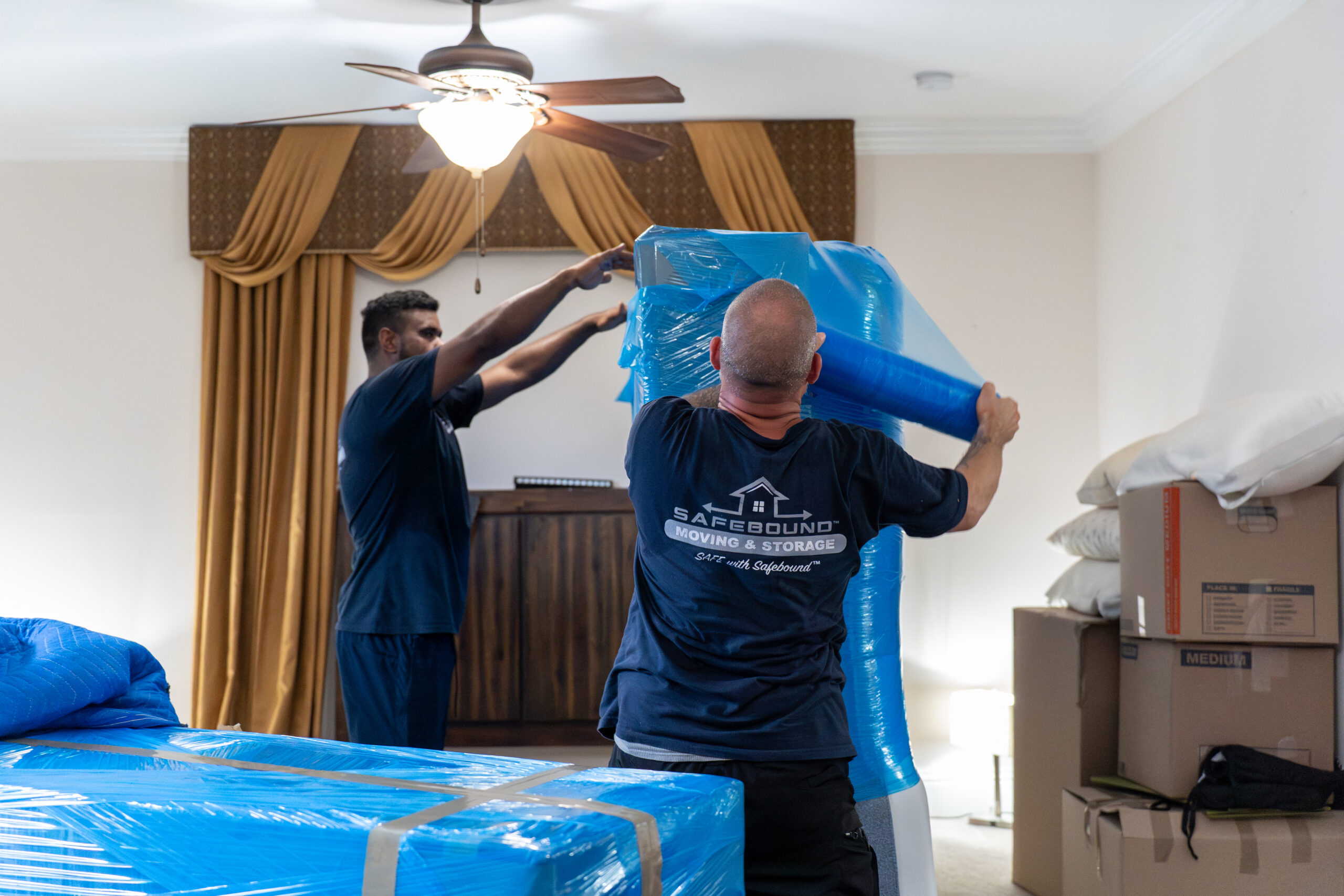
- Stretch wrap: Keep drawers closed and protect upholstered furniture
Pro Packing Tips for Maximum Efficiency
The right boxes mean nothing without proper packing technique. Follow these expert tips:
- Pack room by room: Keep items from the same room together for easier unpacking
- Heavy on bottom, light on top: Always place heavier items at the bottom of boxes
- Fill empty spaces: Use towels, linens, or packing paper to prevent items from shifting
- Don’t overpack: If you can’t lift it comfortably, it’s too heavy
- Label clearly: Write room destination and basic contents on at least two sides
- Create a moving day essentials box: Pack toiletries, medications, chargers, and important documents separately
The Consumer Financial Protection Bureau recommends starting your packing process 4-6 weeks before your move date to avoid last-minute stress and ensure proper organization.
When to Consider Professional Packing Services
While DIY packing saves money, professional packing services offer significant benefits for certain situations. Consider hiring professional movers to pack if you:
- Have valuable or fragile items like antiques, artwork, or collectibles
- Lack time to pack due to work or family obligations
- Have physical limitations that make packing difficult
- Want moving insurance coverage that requires professional packing
- Are making a long-distance move where proper packing is critical
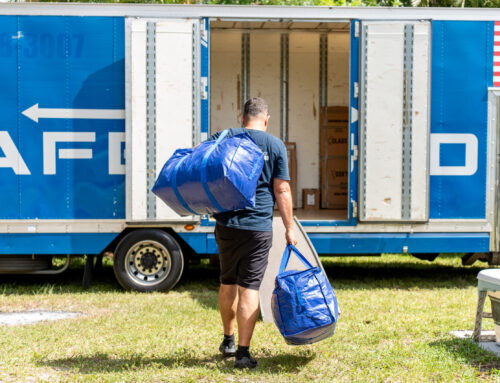
Professional movers bring their own boxes, packing materials, and expertise to protect your belongings. They work efficiently, often completing in hours what might take you days. According to AMSA guidelines, many moving companies offer comprehensive packing services at competitive rates.
Eco-Friendly Moving Box Alternatives
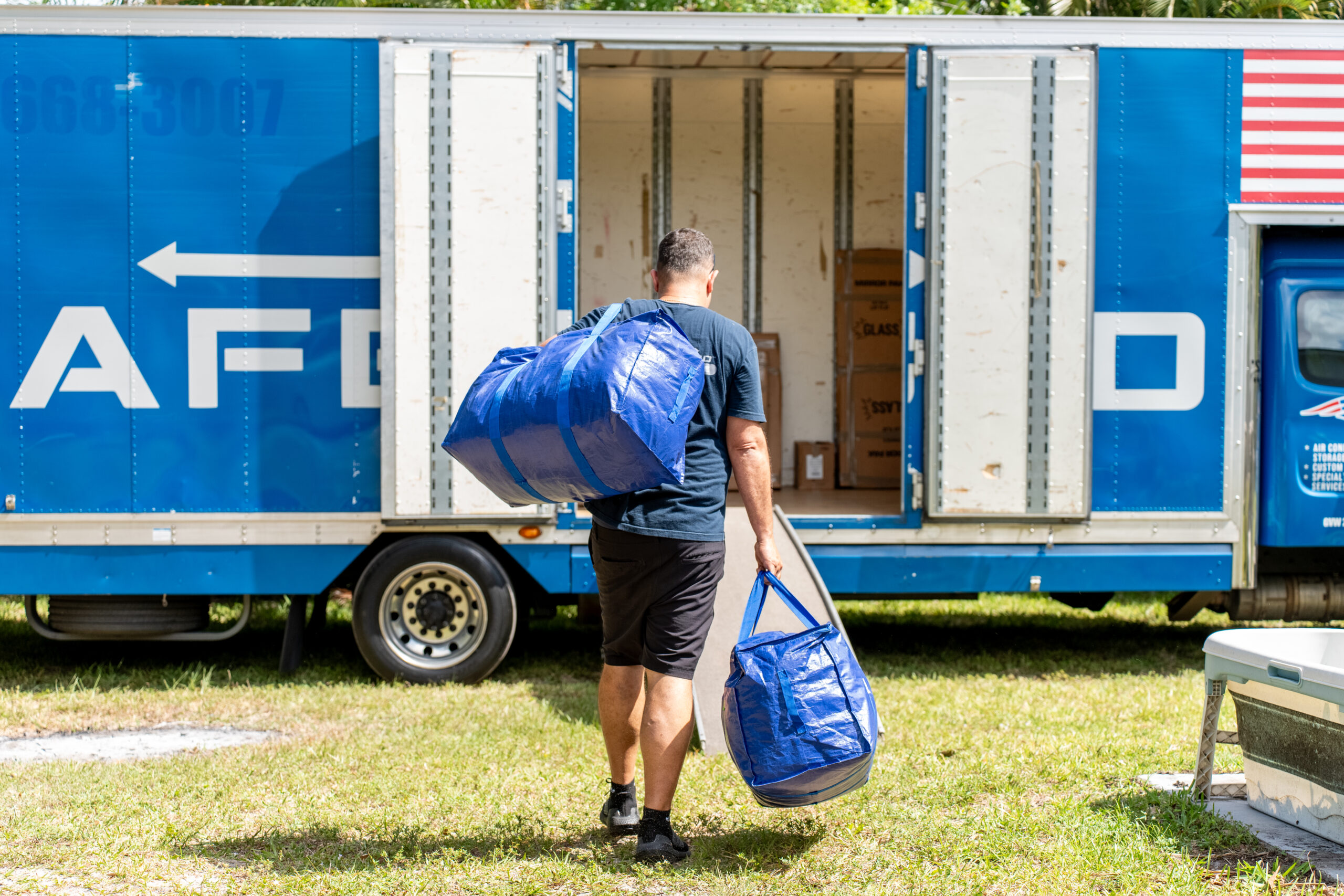
For environmentally conscious movers practicing eco-friendly moving tips, reusable plastic moving boxes offer a sustainable alternative to cardboard. Rental companies deliver stackable plastic bins to your home, you pack, they pick up at your new location, and clean them for the next customer. The Environmental Protection Agency encourages reducing cardboard waste through reusable alternatives. Benefits include:
- No assembly or tape required
- More durable and weather-resistant than cardboard
- Attached lids prevent items from falling out
- No waste or recycling hassle
- Cost-effective for local moves
While typically more expensive upfront than cardboard boxes, reusable bins can save money and time, especially for local apartment moves where the convenience factor is worth the premium.
Final Thoughts: Making Your Move Smooth with the Right Boxes
Selecting appropriate moving boxes is one of the most important decisions you’ll make during your relocation. Whether you opt for free boxes from local businesses, purchase new boxes from retailers, or invest in professional packing services, the key is planning ahead and choosing quality materials that protect your belongings.
Start collecting boxes 4-6 weeks before your move date to avoid last-minute stress. Mix free and purchased boxes strategically—use sturdy purchased boxes for fragile items and heavy books, while free boxes work perfectly for linens, clothes, and lightweight items. Don’t forget to consider the best time to move when planning your relocation timeline.
Remember, the time and money you invest in proper packing boxes and supplies pays dividends in protecting your possessions and reducing moving day stress. A well-organized move with the right boxes makes unpacking easier and helps you settle into your new home faster. And if you’re moving with pets, having an organized packing system becomes even more crucial.
Need professional help with your move? Safebound Moving offers comprehensive moving services including packing, loading, transport, and unpacking. Our experienced team can help you determine exactly what you need for a stress-free relocation. We also understand what to do after moving and can provide guidance throughout your entire moving journey. Contact us today for a free moving quote and let us handle the heavy lifting while you focus on your new beginning.