Nothing ruins a relocation faster than realizing your phone charger is buried somewhere on the truck, your medication is packed in storage, and you can’t find the keys to your new place. We’ve seen it happen more times than we can count.
Moving day essentials are the items you absolutely need immediate access to—not tomorrow after unpacking, but right now. These critical supplies should stay with you in your personal vehicle, not on the moving truck. They’re your survival kit that keeps you functional, comfortable, and relatively sane during the transition.
Why Moving Day Essentials Make the Difference
Without proper moving day essentials, you’ll spend your first night wearing yesterday’s clothes, searching frantically for toilet paper, and eating fast food because all your basic supplies are inaccessible. Professional movers see this scenario repeatedly, and the difference is always the same: people who prepare their moving day essentials thoughtfully handle stress better, settle in faster, and don’t spend hours digging through boxes.
The prepared families we work with understand that having the right moving day essentials prevents chaos. They arrive at their new home ready to function immediately instead of scrambling to find basics. This small investment in planning your moving day essentials pays off significantly when you’re exhausted and just want to collapse after a long day.
Critical Documents and Moving Day Essentials
These moving day essentials should never, ever go on the truck. Keep them in a dedicated folder or bag that stays with you at all times during your relocation.
Essential documents to pack separately:
- Birth certificates, Social Security cards, and passports for every family member
- Medical records and current prescription information
- Insurance policies (health, home, auto, life)
- Moving contracts, receipts, and inventory lists
- New home purchase documents or lease agreement
- Bank account information and checkbooks
- School records and employment documents
Valuable items for your personal bag:
- Jewelry you wear regularly and family heirlooms
- Cash for tipping movers, tolls, and unexpected expenses
- Laptop, tablet, and any work-related technology
- External hard drives with important backups
- Small collectibles or items worth more than your insurance deductible
We’ve heard nightmare stories about important documents getting lost during relocations. One family lost their passports right before an international trip because everything was packed together. Treat these moving day essentials like your wallet—they go where you go, period. No exceptions.
Health and Medical Moving Day Essentials
Your prescriptions are critical moving day essentials. Don’t pack them with your bathroom supplies or assume you’ll find them easily in boxes later.
Health-related items to pack in your personal bag:
- All prescription medications for every family member (at least a week’s worth)
- Over-the-counter medicines like pain relievers, allergy medication, and stomach remedies
- First aid kit with bandages, antibiotic ointment, and basic medical supplies
- Any medical devices you use regularly (inhalers, EpiPens, glucose monitors, CPAP machines)
- Eyeglasses, contact lenses, solution, and cases
- Baby formula, bottles, and adequate diapers if you have infants
- Vitamins and supplements if you take them daily
Relocation day gets physical. People get headaches, scrapes, and stomachaches from the stress and exertion. Having these moving day essentials accessible means you’re not driving around looking for a pharmacy when you should be settling into your new home.
Technology and Chargers for Moving Day Essentials
In 2025, your phone is basically your lifeline. It’s your camera for documenting any damage, your communication device for coordinating with movers, your GPS for navigating to your new place, and your flashlight when you can’t find the light switches in an unfamiliar home.
Technology to keep accessible:
- Phone chargers for every device (both car chargers and wall chargers)
- Laptop and charging cable if you need to work or access important documents
- Tablet or e-reader plus their chargers
- Portable battery packs (fully charged the night before)
- Important cables and adapters you might need
- Bluetooth speaker if music helps you work (it does for most people)
Nothing’s worse than your phone dying at 2pm when you still have six hours of work ahead. Dead phones mean no photos of damage, no way to coordinate with movers, and no entertainment during downtime. Keep your technology charged and accessible.
Your First Night Moving Day Essentials
You won’t unpack everything on your first day. You probably won’t even unpack half of it. Your first night moving day essentials mean you can actually sleep, shower, and wake up the next morning without digging through fifty boxes looking for basics.
Bathroom necessities:
- Toilet paper (pack extra rolls—you’ll use more than you expect)
- Hand soap and paper towels
- Toothbrushes, toothpaste, and floss for everyone
- Shampoo, conditioner, and body wash
- Towels for everyone (both bath towels and hand towels)
- Shower curtain if your new place needs one
- Basic toiletries and any skincare products you use daily
Bedroom basics:
- Clean sheets and pillowcases for every bed in the house
- Pillows (don’t pack these in boxes—keep them accessible)
- Comfortable blankets or comforters
- Change of clothes for everyone for at least 2-3 days
- Pajamas that aren’t buried in suitcases
- Phone chargers for bedside charging overnight
Morning necessities:
- Coffee maker and coffee (if you’re a coffee person, this is absolutely critical)
- Basic breakfast supplies like cereal, milk, bread, or whatever you actually eat
- Paper plates, cups, and plastic utensils so you don’t need to unpack dishes immediately
- Reusable water bottles or disposable bottles
- Snacks that don’t require refrigeration (granola bars, crackers, fruit)
- Trash bags in multiple sizes (you’ll generate trash faster than you expect)
Cleaning Supplies and Basic Tools
Your new place might be “clean” by the previous owner’s standards, but it’s never clean enough after movers have tracked through it all day. These supplies help you deal with immediate messes and basic setup tasks.
Cleaning supplies to bring:
- Paper towels (multiple rolls—trust us on this)
- All-purpose cleaning spray
- Disinfecting wipes for quick surface cleaning
- Broom and dustpan
- Trash bags in various sizes
- Rags or microfiber cleaning cloths
Tool kit items:
- Screwdriver set (both flathead and Phillips head)
- Hammer for hanging pictures or assembling furniture
- Scissors and a good box cutter for opening all those boxes
- Measuring tape for furniture placement
- Level for hanging artwork later
- Flashlight with fresh batteries (power might not be on immediately)
- Extension cords and power strips
You’ll need these tools within the first few hours. Packing them separately in a clearly labeled toolbox saves you from tearing through twenty boxes looking for a screwdriver to reassemble your bed frame.
Food and Water Moving Day Essentials
Moving burns calories and dehydrates you faster than you realize. Physical labor, stress, and running around all day means everyone needs more fuel than usual. These moving day essentials prevent hunger and exhaustion.
Food and beverage items to pack:
- Water bottles for everyone (seriously, more than you think you’ll need)
- Sports drinks or electrolyte beverages
- Protein bars, granola bars, or energy bars
- Fruit that travels well (apples, oranges, bananas)
- Nuts, trail mix, or other portable snacks
- Crackers with peanut butter or cheese
- Pre-made sandwiches or wraps for lunch
- Coffee or tea in a thermos if that’s your fuel
Plan for everyone to eat more than they typically would. Don’t rely on ordering delivery (which takes forever) or finding restaurants in an unfamiliar area. Have your moving day essentials ready so you can refuel quickly and get back to work.
Moving Day Essentials for Kids and Pets
If you’re moving with kids or pets, their moving day essentials need special consideration. Stressed children and anxious animals need familiar comforts and routines.
Items for kids:
- Favorite toys, stuffed animals, or comfort blankets
- Age-appropriate snacks they actually like (not the time for new foods)
- Activities for downtime (tablets with downloaded content, coloring books, card games)
- Change of clothes in case of spills or accidents
- Diapers, wipes, and formula if you have babies or toddlers
Pet supplies:
- Food and water bowls (collapsible ones save space)
- Enough pet food for several days
- Leash, collar with updated ID tags, and secure carrier
- Favorite toy or blanket that smells like home
- Current medications and a copy of vaccination records
- Recent photos in case they escape during the chaos
Check out our detailed guide on moving with pets for more specific advice about keeping animals safe and calm during relocation.
Keys, Codes, and Access Information
Losing your keys on relocation day is surprisingly common in the chaos. These items need their own designated, secure spot.
Access items to keep separate:
- Keys to your new home (all sets you’ve received)
- Keys to your old home until you complete the final walkthrough
- Garage door openers and entry codes
- Mailbox keys for both old and new addresses
- Building access codes or key fobs for apartment buildings
- Contact information for your landlord, property manager, or real estate agent
Keep these in one specific pocket, pouch, or small bag. Decide where they live and don’t deviate from that system. Nothing stops a relocation faster than standing outside your new home with all your belongings on a truck but no way to get inside the house.
How to Pack Moving Day Essentials Properly
The whole point of these items is easy, immediate access. Don’t scatter them across multiple bags or bury them under other belongings in your car.
Use clear plastic bins or bags so you can see contents without opening everything. Label them with “DO NOT LOAD ON TRUCK” in huge letters on all sides. Use bright, unusual colors—neon pink bins or lime green bags stand out immediately in a sea of brown cardboard boxes.
Pack one personal bag or small suitcase per person with their individual necessities. Kids can carry their own bags (sized appropriately for their age), which gives them some control and responsibility during an otherwise chaotic day.
Load everything into your personal vehicle last, which means they come out first when you arrive. Nothing goes on top of these items. Nothing blocks access to them. They stay within arm’s reach the entire day.
Common Moving Day Essentials Mistakes
Packing moving day essentials too early: Don’t pack your essentials a week before your move. You’ll need items from these bags, and then they won’t be complete when you actually relocate. Pack them the night before or the morning of your move.
Poor labeling or no labels: Thinking you’ll remember where you put things doesn’t work under stress. Label everything clearly, specifically, and on multiple sides.
Forgetting about weather: Check the forecast and pack weather-appropriate items. Sunscreen and cooling towels in summer. Warm layers and rain gear if precipitation is expected. Hand warmers in winter.
Not enough water: This is the most common mistake we see. Triple the amount of water you think you’ll need. Everyone drinks more when working hard, especially in warm weather.
Skipping the first-night box: Optimistically thinking “I’ll just unpack what I need tonight” doesn’t account for how exhausted you’ll be. Your first-night moving day essentials mean you can collapse into bed without searching for basics.
Considerations for Different Types of Relocations
Local Moves
For relocations within the same city, your list can be slightly shorter since stores and familiar resources are nearby. However, don’t get complacent—you still need medications, documents, valuables, and first-night supplies even for local moves.
Long-Distance Relocations
Long-distance moves require more extensive planning. You might be driving for days or flying while your belongings travel separately on the truck. Pack additional clothes, more entertainment options, hotel confirmations, snacks for the journey, and anything else you need for multi-day travel.
Moving to Florida
If you’re relocating to Florida, account for intense heat and humidity in your moving day essentials. Extra water becomes critical. Sunscreen, bug spray (mosquitoes are serious), and lightweight, breathable clothing matter more. Plan for afternoon thunderstorms with rain gear and waterproof bags for protecting electronics.
Learn more about moving to Florida and what makes Sunshine State relocations unique.
The Night Before Your Relocation
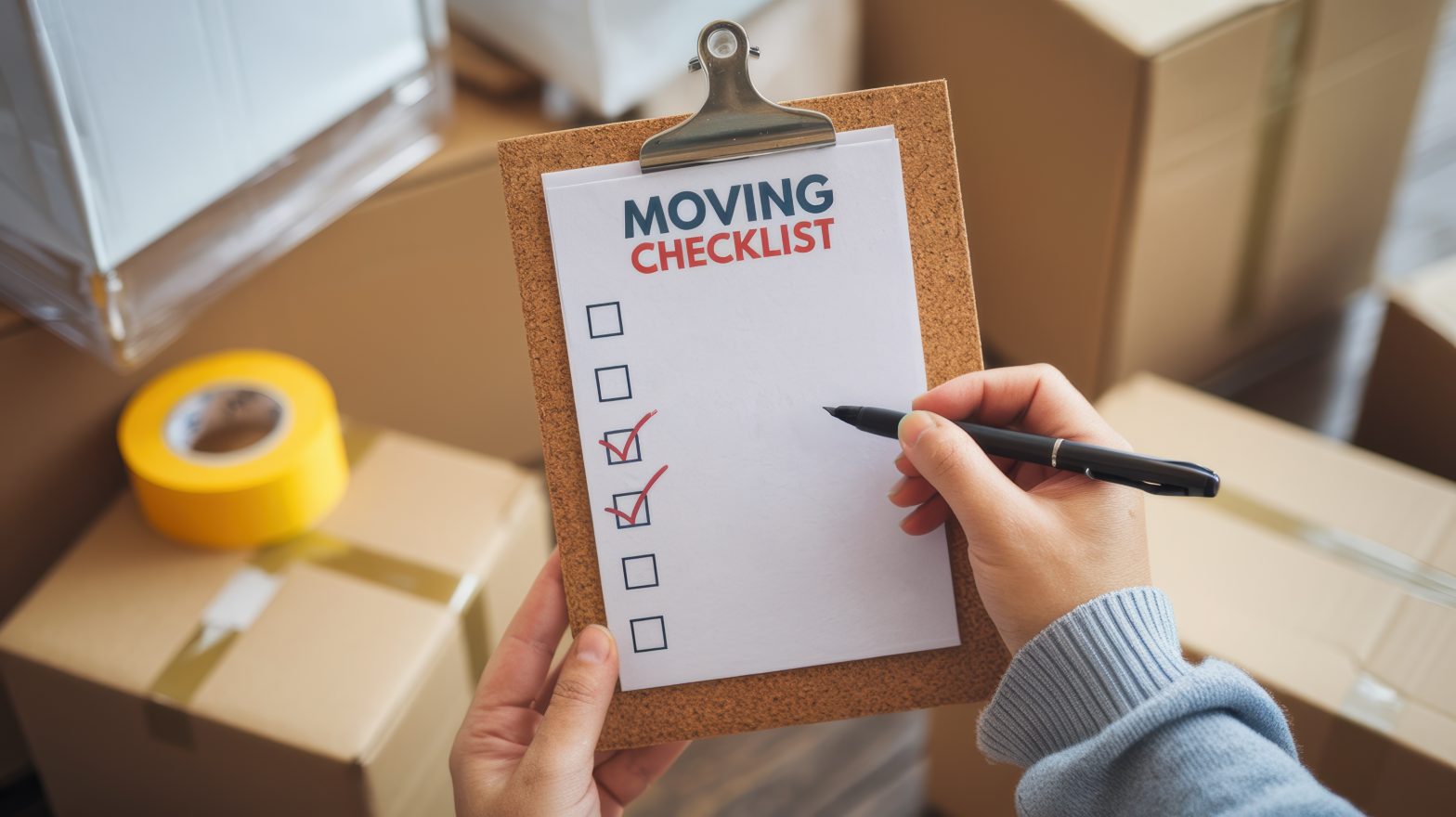
Finalize everything the night before. Do a last check of your list. Charge all electronic devices to 100%. Fill all water bottles. Make sandwiches if you’re packing lunch. Set everything by the door in your designated area where you absolutely cannot miss it or accidentally allow it to be loaded.
Get actual sleep. It’s tempting to stay up all night packing one more box or cleaning one more room, but you need energy and mental clarity for relocation day more than you need that final box perfectly organized. A well-rested version of yourself is part of your moving day essentials preparation.
How Safebound Moving Supports Your Preparation
At Safebound Moving, we’ve coordinated thousands of relocations over the years. The difference between moves that go smoothly and those that turn chaotic almost always comes down to preparation—especially having the right items accessible and organized.
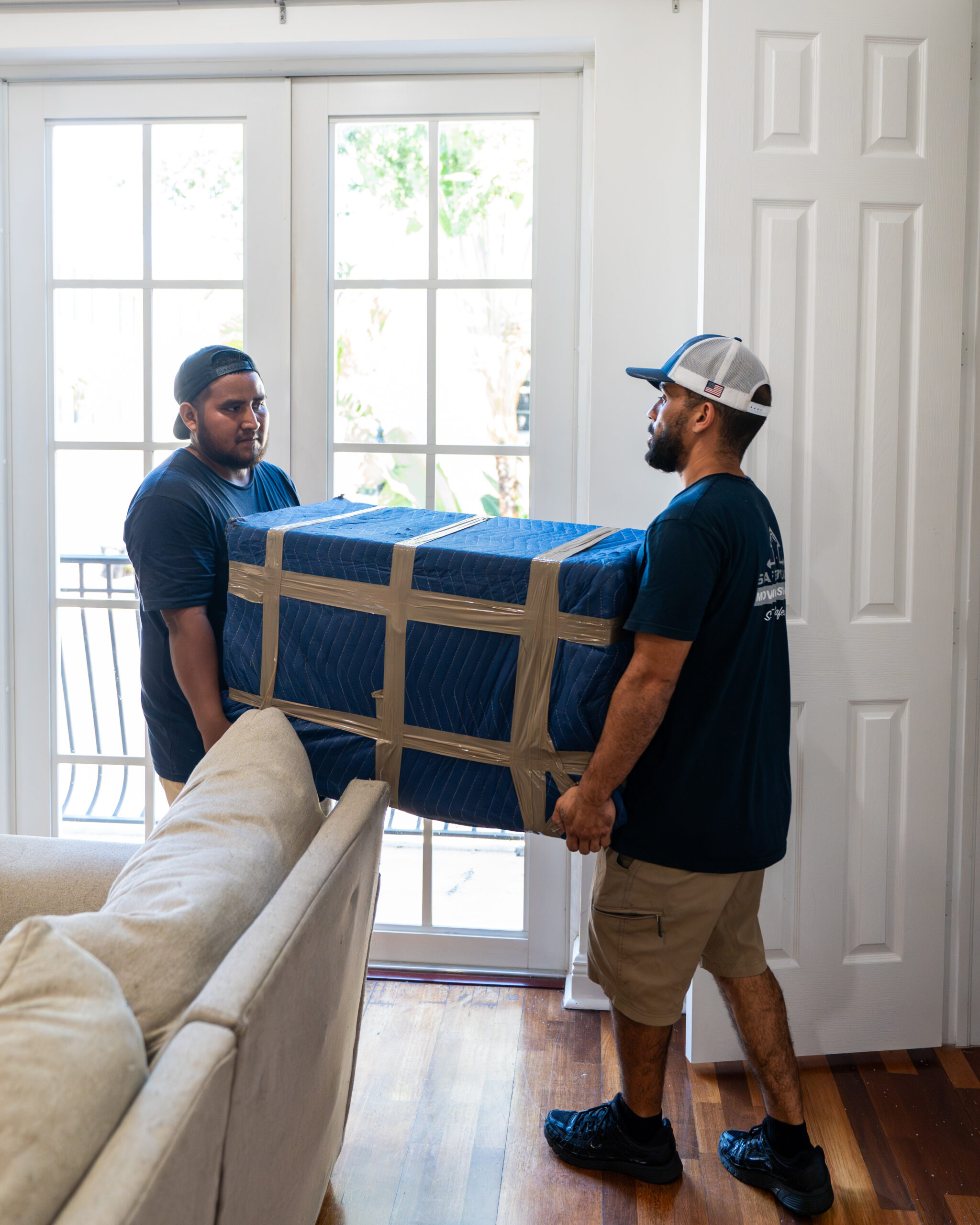
Our experienced crews understand the importance of working around your personal belongings. We’ll help you identify what should stay in your vehicle versus what loads onto the truck. If you prefer, our professional packing services include creating organized “first night” boxes and keeping your critical items separate from the main load.
Your Relocation Morning
On the morning of your move, do one final check of everything. Put all your prepared items into your car before the moving crew arrives. Lock your vehicle if you need to keep items secure. Remember, these belongings are your responsibility, not the movers’, and keeping them completely separate prevents any confusion or mix-ups.
Keep your supplies visible and accessible throughout the entire day. You’ll reference them multiple times—for water, snacks, documents to sign, tools for quick fixes, and medications as needed. Don’t let them get buried or pushed aside in the shuffle of activity.
Ready to plan your move with confidence? Contact Safebound Moving today for a free consultation. Our experienced team will help you prepare for every aspect of your relocation, including practical advice about what belongs in your personal vehicle versus what should load onto the truck.
For more comprehensive moving guidance, visit our blog featuring expert tips on professional packing strategies, downsizing before your move, and choosing the best timing for your relocation.
External Resources: